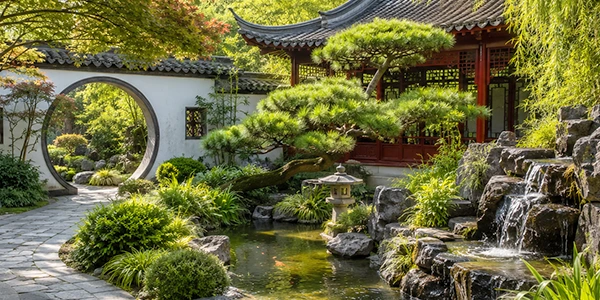
The backyard is an important part of a feng shui home because it represents support, stability and the energy behind the household. Many people focus on the main entrance, bedroom or kitchen, but the outdoor space also affects how Qi gathers, moves and supports the people living inside. For Australian homes, where many properties have gardens, courtyards, pools, fences or outdoor entertaining areas, backyard Feng Shui can make a noticeable difference to comfort, health and family harmony.
In traditional Feng Shui, the land around a home is just as important as the rooms inside. A balanced backyard should feel protected but not blocked, open but not exposed, and lively but not chaotic. The aim is to create a space where natural energy can settle gently, instead of rushing away or becoming stagnant.
Why the Backyard Represents Support
The back of the home is often linked with support and protection. A strong backyard can symbolise steady backing in life, career and family matters. Ideally, the rear area should feel secure and stable. This may come from a solid fence, healthy trees, a gentle slope, a retaining wall or a well-kept garden.
If the backyard feels too exposed, empty or neglected, the home may feel less settled. Simple improvements such as repairing fences, trimming overgrown plants, adding outdoor lighting and keeping the ground clean can strengthen the feeling of support. The goal is not to make the backyard crowded, but to give it structure and care.
Garden Layout and Qi Flow
A good garden allows Qi to move smoothly. Paths should be clear and gently curved where possible, rather than sharp and aggressive. If a path leads directly and quickly away from the house, energy may feel like it is escaping. Soft landscaping, pots, stepping stones or planting can help slow the flow and make the space feel calmer.
Avoid allowing the backyard to become a dumping area for broken furniture, old tools, unused pots or dead branches. Clutter outdoors can affect the energy indoors as well. A clean garden encourages healthy movement, while a messy garden can create stagnant Qi and a feeling of pressure.
Water Features, Pools and Drainage
Water is powerful in Feng Shui because it is connected with movement, wealth and opportunity. In a backyard, water features, ponds, pools and drainage should be handled carefully. Clean, moving water can feel refreshing and lively, but dirty, leaking or stagnant water may create negative energy.
If you have a pool or water feature, keep it clean and well maintained. Avoid blocked drains, leaking taps, muddy corners or water collecting near the back of the house. In Feng Shui, water that is uncontrolled or dirty may symbolise energy loss. Good drainage is especially important for Australian homes affected by heavy rain or damp winter conditions.
Trees and Plants Around the Backyard
Healthy trees can provide protection, shade and natural vitality. However, trees should be balanced in size and position. A very large tree too close to the house may feel heavy, block light or create pressure. Dead or dying trees should be removed, as they symbolise weak or declining energy.
Plants with soft, healthy growth are generally more harmonious than sharp, thorny or neglected plants. This does not mean every spiky plant is bad, but thorny plants should be used carefully and not placed where people walk closely every day. A good garden should feel alive, cared for and comfortable.
Fences, Boundaries and Privacy
Fences and boundaries help define the energy of a property. A damaged or broken fence can make the home feel unsupported. Repairing fences, gates and retaining walls is a practical Feng Shui improvement because it strengthens the boundary between private family space and outside influences.
Privacy is also important. If the backyard is too exposed to neighbours or a busy road, the family may feel less relaxed. Screening plants, lattice, outdoor blinds or tidy fencing can help create a calmer and more protected environment.
Outdoor Lighting and Evening Energy
Many Australian families use the backyard for evening meals, barbecues and gatherings. Good lighting helps the backyard feel safe and welcoming after sunset. Dark corners can collect stagnant energy, while overly bright lighting may feel harsh. Use warm, balanced lighting along paths, near doors and around outdoor seating areas.
Lighting can also symbolically activate neglected areas. If a corner of the garden feels dark, cold or unused, gentle light and simple cleaning can help bring the space back to life.
Simple Backyard Feng Shui Checklist
- Keep the backyard clean, dry and free from broken items.
- Repair damaged fences, gates, steps and retaining walls.
- Trim overgrown trees and remove dead plants quickly.
- Keep pools, ponds and water features clean and moving.
- Avoid blocked drains and water collecting near the house.
- Use warm outdoor lighting to activate dark or unused areas.
- Create privacy with healthy plants, screens or tidy fencing.
Final Thoughts
Backyard Feng Shui is about creating outdoor support for the whole home. A well-kept garden, balanced trees, clean water, good drainage and secure boundaries can help positive Qi gather and support the household. For Australian homes, the backyard is often a place of relaxation, family activity and connection with nature, so it should feel cared for and alive.
For personalised advice about your garden layout, property shape, water placement or feng shui home, you may consult Feng Shui Consultant Master Philip Yuen.