Chinese New Year, also known as the Lunar New Year or Spring Festival, is the most important traditional celebration in Chinese culture. It is not only a holiday but a time of renewal, gratitude, and family unity. Many families treat this period as a fresh beginning for the year ahead. Customs followed during this season are believed to influence luck, harmony, and prosperity. Even today, modern households continue these traditions because they bring people together and create a positive start to the year. Best time Improves your feng shui and energy.
Preparation for Chinese New Year usually begins two to four weeks before the first day of the new year. This period is called “welcoming the new” (迎新). Families clean their homes, settle unfinished matters, and prepare their environment for fresh energy. The focus is on letting go of the past and making space for new blessings.
Weeks Before Chinese New Year
Deep Cleaning and Resetting Energy
Families thoroughly clean their homes, wash bedding and curtains, repair broken items, and remove clutter. This practice is known as “sweeping away bad luck” (扫晦气). It symbolises clearing negative energy and releasing past problems. Many believe that a cluttered home can block wealth and opportunities. Once the new year begins, major cleaning is paused for a few days so that good luck is not “swept away.”
Shopping and Festive Markets
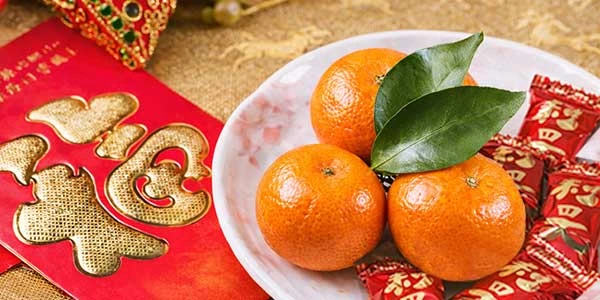
One to two weeks before New Year, families buy new clothes, prepare festive foods, purchase gifts, and ready their red envelopes. Visiting flower markets is also popular. Plum blossoms represent hope, orchids symbolise elegance, and kumquat trees are linked to wealth and abundance. Buying new items represents renewal and growth, leaving old struggles behind.
Decorating the Home
About a week before New Year, homes are decorated with red lanterns, red couplets on doors, and the 福 (fortune) character. Sometimes the 福 character is placed upside down because in Chinese it sounds like “fortune has arrived.” Red decorations are believed to protect the home, drive away negativity, and attract happiness.
Chinese New Year Daily Traditions
New Year’s Eve (Reunion Night)
New Year’s Eve is the most important family gathering. Many people travel long distances to be home. Families share a reunion dinner, make dumplings together, watch the Spring Festival Gala, and stay up late (守岁). Each food carries meaning: fish symbolises abundance, dumplings represent wealth, and noodles represent long life. Staying up late is traditionally linked to wishing parents longevity.
Day 1 – Welcoming the New Year
People wear new clothes, often in red, visit close family, give red envelopes, and offer prayers to ancestors. On this day, people avoid fighting, crying, negative words, or breaking items. It is believed that the mood of the first day sets the tone for the whole year.
Day 2 – Visiting Parents
Traditionally, married daughters return to visit their parents. This strengthens family bonds and shows respect to elders. It is also a day when some pray for prosperity.
Day 3 – Quiet Day
Day 3 is sometimes called “Red Mouth Day,” believed to be more prone to arguments. Many families stay home and avoid social visits. Some visit temples to pray for peace.
Day 4 – Welcoming the Kitchen God
Families burn incense and prepare offerings to welcome the Kitchen God, who is believed to watch over the household and bring blessings.
Day 5 – God of Wealth Day
People set off firecrackers, pray to the God of Wealth, and many businesses reopen. This day is strongly associated with inviting money luck and financial success.
Day 6 – Sending Away Poverty
Light cleaning and throwing out rubbish are allowed. This symbolises removing hardship and welcoming smoother progress.
Day 7 – Everyone’s Birthday
Known as Ren Ri, this day celebrates the birthday of all people. Many eat longevity noodles and appreciate life and health.
Days 8 to 14
These days are for visiting friends, sharing meals, and temple prayers. The focus is on relationships and blessings.
Day 15 – Lantern Festival
The Lantern Festival marks the end of Chinese New Year. Families carry lanterns, solve riddles, and eat tangyuan (sweet rice balls). Tangyuan symbolises unity and completeness, representing harmony and reunion.
Final Thoughts
Chinese New Year traditions are about gratitude, positivity, and family connection. They encourage people to clear negativity, strengthen relationships, and start fresh with optimism. For many, it is not superstition but a meaningful way to begin the year with intention and harmony. Whether you follow many traditions or only a few, the spirit of renewal and togetherness is what truly matters.